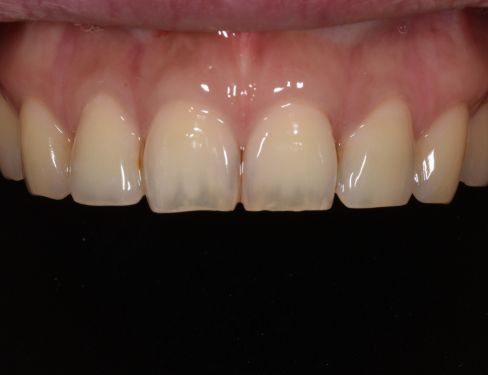
Korea is a leading destination for high-quality dental care, including advanced periodontitis treatment. Thousands of international patients travel to Seoul and other major cities each year to receive expert gum disease care at a fraction of the cost back home. If you are dealing with gum disease, Korea offers world-class treatment with experienced periodontists and modern facilities.
What is Periodontitis Treatment?
Periodontitis is a serious gum infection that damages the soft tissue and bone supporting your teeth. Without treatment, it can lead to tooth loss and other health problems. Periodontitis treatment in Korea focuses on eliminating the infection, reducing inflammation, and restoring gum and bone health.
- Stops tooth loss: Early and mid-stage treatment can save teeth that would otherwise need to be removed.
- Improves overall health: Treating gum disease lowers risks linked to heart disease and diabetes.
- Long-lasting results: With proper care, treated gums stay healthy for many years.
Types of Periodontitis Treatment Offered in Korea
Korean dental clinics offer a full range of periodontal treatments to match every stage of gum disease:
- Scaling and Root Planing (Deep Cleaning): This is the most common non-surgical treatment. The dentist removes plaque and tartar from below the gumline and smooths the tooth root to help gums reattach. Best for mild to moderate periodontitis.
- Laser Periodontal Therapy: A minimally invasive option using laser energy to remove infected tissue and bacteria. It causes less bleeding and has a faster recovery than traditional surgery.
- Flap Surgery (Pocket Reduction Surgery): For advanced cases, the gum is folded back so the dentist can deeply clean the roots and reshape the bone. This reduces the depth of infected pockets.
- Bone and Tissue Grafting: When periodontitis has caused significant bone or gum loss, grafting procedures rebuild the support structure around teeth. This is often combined with flap surgery.
Why Choose Korea for Periodontitis Treatment?
- Highly trained specialists: Korean periodontists complete rigorous training programs and many have international certifications.
- Advanced technology: Clinics use digital X-rays, 3D imaging, and laser systems that improve accuracy and comfort.
- Affordable prices: Treatment costs in Korea are significantly lower than in the United States, United Kingdom, or Australia.
- English-friendly clinics: Many Seoul dental clinics have English-speaking staff and international patient coordinators.
- Short waiting times: Appointments are often available within days, unlike long waits in many Western countries.
Cost of Periodontitis Treatment in Korea
Prices vary based on the severity of your condition and the type of treatment needed. Below are typical price ranges:
- Scaling and Root Planing (per quadrant): ₩80,000 – ₩200,000 (approximately $60 – $150 USD)
- Laser Periodontal Therapy (full mouth): ₩500,000 – ₩1,200,000 (approximately $370 – $900 USD)
- Flap Surgery (per quadrant): ₩300,000 – ₩700,000 (approximately $220 – $520 USD)
- Bone or Tissue Grafting: ₩600,000 – ₩2,000,000 (approximately $450 – $1,500 USD)
Full-mouth treatment for advanced periodontitis combining surgery and grafting can range from ₩2,000,000 to ₩6,000,000 (approximately $1,500 – $4,500 USD). This is still far below comparable costs in Western countries. For patients who have experienced significant bone loss, advanced tooth replacement options like more information on implant seoul solutions are also available at Korean clinics.
What to Expect During and After
Your first visit will include a full periodontal exam, X-rays, and a treatment plan. Non-surgical treatments like scaling and root planing are usually done under local anesthesia and take one to two hours per session. Surgical procedures require a short recovery period of three to seven days. You may experience mild swelling, sensitivity, or discomfort after treatment, but this is normal and manageable with prescribed medication. Most patients return to regular activities within a few days. Beyond functional gum restoration, many patients are interested in learning more about complementary aesthetic improvements, and a dental cosmetics guide can help you explore those options.
Follow-up and Results
After your initial treatment, your dentist will schedule follow-up visits to monitor healing and measure pocket depths. Most patients see clear improvement within four to six weeks. Gums become firmer, bleeding stops, and sensitivity reduces. To maintain results, regular professional cleanings every three to four months are strongly recommended. Good daily brushing and flossing habits are essential to prevent recurrence. Many patients achieve stable, healthy gums that last for many years with proper maintenance. Some patients also benefit from professional treatments that enhance their overall smile appearance; you can read more here about whitening seoul options available alongside periodontal care.
Conclusion
Periodontitis treatment in Korea combines expert care, modern technology, and affordable pricing in one destination. Whether you need a deep cleaning or advanced surgical treatment, Korean dental specialists have the skills and tools to restore your gum health effectively. With shorter wait times and lower costs than most Western countries, Korea is a smart choice for anyone serious about treating gum disease. For a comprehensive overview of what Korean dental clinics can offer, you can read more here on dental korea services.
Ready to take the first step toward healthier gums? Contact us on WhatsApp today for a free consultation. Our team will help you find the right clinic, understand your treatment options, and plan your trip to Korea with confidence. Do not let gum disease go untreated — reach out now and get expert help fast.